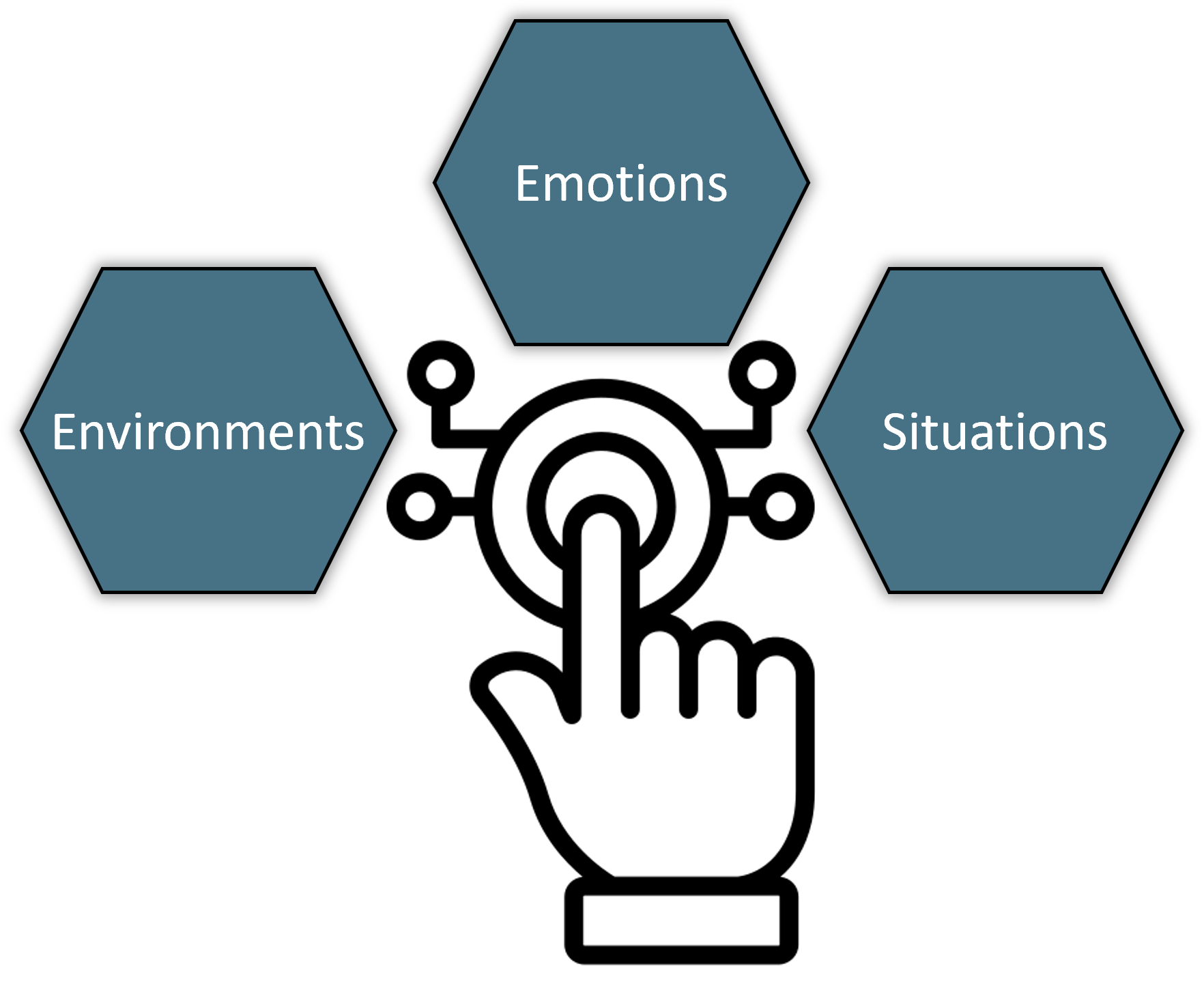
Triggers of a relapse refer to factors or circumstances that increase the likelihood of an individual returning to a previous state of unhealthy behavior or addiction after a period of improvement or recovery. These triggers can be internal (thoughts, emotions, physical sensations) or external (people, places, situations) and often provoke strong cravings or urges to return to the problematic behavior.
Common triggers of relapse include:
- Stress: High levels of stress from work, relationships, or life changes can lead to relapse.
- Negative Emotions: Feelings of sadness, anger, frustration, or loneliness can act as triggers.
- Environmental Cues: Being in places or situations associated with the past problematic behavior, like bars for alcoholics or certain neighborhoods for former drug users.
- Social Pressure: Influence from friends or family members who engage in problematic behavior or don't support the recovery.
- Positive Emotions: Celebratory moments or a sense of overconfidence in one's recovery can also be triggering.
- Boredom: Lack of engaging activities or hobbies can lead to a desire to revert to old behaviors.
- Physical Discomfort: Pain or illness can trigger a relapse, especially if the behavior was a way to cope with these feelings.
 Health Course